Tag Archives: women in philanthropy and fundraising

Advocacy: critical nonprofit work

StandBesideHer

Stand Beside Her is an example of a new powerful new advocacy campaign launched by Girl Scouts Heart of the South. This national campaign encourages women and girls to support each other. It’s a bold move to reduce comparisons and competition amongst women. The goal: changing our culture so every girl and woman can reach her fullest potential.

There’s something wrong when women are more than 50% of the population and we still ask ourselves “why are women underrepresented in so many aspects of our society?” At a minimum change requires new public policies, new ways of interacting with each other, new roles for men, and a change in consciousness. Stand Beside Her focuses on how we treat each other as women and encourages us to change negative behaviors we have internalized, normalized and may not even be aware of.

This is no small goal. Like most advocacy campaigns it’s about a big vision. It’s right up there with curing HIV/AIDS, breast cancer, and Alzheimer’s disease. Securing marriage equality. Eliminating racism.

Here are a few things we learned: 67% of women rate mentorship as highly important in helping to advance and grow their careers, yet 63% of women never has had a formal mentor. 39% of girls have been put down or discouraged when trying to lead. And, 92% of teen girls would like to change something about the way they look, with their body weight ranking the highest.

Girls are watching us and listening to us. How do we treat each other? And how do we treat ourselves? Each of us can be part of the solution. Invite a junior colleague for coffee. Introduce something new to your daughter. Create a mentoring program at work. Ensure you are an informed voter. Avoid negative words and phrases. Encourage others through your words. Volunteer and donate to help girls and women.

Advocacy is critical nonprofit work. It advances the work of a nonprofit in ways that direct services can’t. Advocacy opens up our thinking to new perspectives. It encourages those of us who may feel powerless to join together and make our voices heard. It is a way to engage donors in the ongoing work of a nonprofit. It is more than writing a check: it is an opportunity to open our homes to talk about an important issue. It helps build relationships within our community – and nationally. Advocacy makes the case for change. We have the opportunity to tell a compelling story and encourage others to take actions large and small, and to give. Advocacy can open up your nonprofit to energy, something most of us need.

Advocate for girls and women October 25th – 31st. Let’s choose to Stand Beside Her.

Learn more at  www.standbesideher.org

Copyright 2015– Mel and Pearl Shaw

Mel and Pearl Shaw position nonprofits, colleges and universities for fundraising success. For help with your fundraising visit www.saadandshaw.com or call (901) 522-8727.

Social Capital

Patricia Brandes“Trusting relationships and reflection/rejuvenation are required for building strong networks and collaborations.” That’s the word from Patricia Brandes, executive director of the Barr Foundation. She didn’t say more funding, more collaboration, lower expenses or greater impact. She focuses on the three R’s – relationships, reflection and rejuvenation.

We had the opportunity to hear Brandes speak recently, and she encouraged the audience to value “being” as well as “doing”, acknowledging that “doing” is our culture’s more highly prized verb. Focusing on “being vs. doing” she asked “which will really move a nonprofit forward? Which really supports relationships? Where and how is trust built?”

While many funders invest in “doing” the Barr Foundation invests in “being.” It offers local nonprofit leaders the opportunity to answer the above questions through a fellows program Brandes launched in 2005. The Barr Fellowship is a leadership network designed to celebrate, connect, and empower diverse leaders across Boston.

The fellows program provides three-month paid sabbaticals for Boston nonprofit leaders. Each “fellow” can experience the 3 R’s: no work for three months. No calling in, no emails…. The one requirement: participate in two week-long group learning journeys to locations such as South Africa and Zimbabwe, Brazil, and Haiti.

Back at the nonprofit, board members and employees have to operate without their known leader. This provides new opportunities for interim leaders and the Barr Foundation helps out here too, providing these leaders with peer support and facilitated learning environments. The foundation has found that employees and board members step up in unexpected ways while their leader is on sabbatical.

This fellows program is an example of what Brandes calls “creative disruption.” A sabbatical is highly prized – but awfully disruptive! No more business as usual for the nonprofit, and even more importantly, for the leader. When on sabbatical leaders confront “being” as their primary experience. This often leads to personal discovery and recommitment to what brought them to work in the nonprofit sector in the first place. The group learning journeys take this change process to another level, bringing leaders together across differences and boundaries. As they share time unstructured time together fellows have the opportunity to “be” together and in that process build trust. These trusting relationships later inform new and deeper levels of partnership and collaboration.

Over time the deep value of this fellowship expresses itself. Boston now has a rich network of diverse leaders who have sustained relationships over the years, built social capital, and remained in the nonprofit sector. The foundation found that five years after their sabbatical, 75% of fellow were still at their organizations, 92% were still active in the civic sector in Boston, and 92% were still active in the civic sector nationally.

The results are radically different from the turnover and burnout experienced within many nonprofits. Investment anyone?

Mel and Pearl Shaw are the authors of “Prerequisites for Fundraising Success” and “The Fundraiser’s Guide to Soliciting Gifts.”  They provide fundraising counsel to nonprofits. Visit them at www.saadandshaw.com. Follow them @saadshaw.

The Power of Women Fundraisers

 Dr. Johnnetta Cole, Director of the Smithsonian's National Museum of African Art. Fundraising Role Model.

Dr. Johnnetta Cole, Director of the Smithsonian’s National Museum of African Art. Fundraising Role Model.

Women are role models in so many sectors of our economy, and the nonprofit sector is no exception. In honor of women’s history month we salute women who step up to the challenge of raising money for nonprofit organizations and institutions they believe in. Their leadership and vision impact the lives of individuals, families, communities, regions and our nation as a whole.

We want to encourage more women to become fundraisers, and to grow their fund development capabilities. We want women to seek fundraising positions at the highest levels, and to inspire their peers to join them.

We share with you the characteristics we have observed amongst successful women fundraisers. The following are by no means definitive, or exclusive: they are simply based on our observations over the years.

First and foremost successful women fundraisers are not afraid to ask. They are fearless in asking for money, resources, guidance, help and time. They are confident in who they are as a person, and are not intimidated by people of power, wealth and influence. They are risk takers who are not afraid to fail. At the same time they always have a “plan b” and a “plan c” in case their original plan falters.

Speaking of plans, they are big on planning. They pay attention to detail, and they excel at follow-through. They are well prepared, and don’t “wing it.” They are collaborators who look for opportunities that will advance their donors, board members and volunteers.

They truly like people and seek to bring people together to advance organizations they believe in. When they bring people together they know how to manage them, how to bring out their best talents and abilities. Their passion is real: it’s not something they are paid to project. Rather, their leadership springs from their belief in the mission and vision of the organizations they are involved with.

Talented fundraisers we have known are listeners. They are willing – and able – to listen more than they talk. On the whole, they live a balanced lifestyle and are energized: they exude an energy you can feel. They attend to their physical and emotional health knowing that doing so gives them an edge. They are big on professional development and growth for themselves and the teams they manage. They are not satisfied with current success.

They have no problem sharing the limelight. They are willing to take a back seat and let others enjoy the limelight, for they know that their success lies in donors and volunteers giving and giving generously. They love the challenges of fundraising, and have no issues talking about money. They understand that they are facilitators and not the focal point. Successful fundraisers are valued and in high demand. They orchestrate leadership teams who secure the money and resources that bring the visions of nonprofits to life. We salute you!

Mel and Pearl Shaw are the authors of “Prerequisites for Fundraising Success” and “The Fundraiser’s Guide to Soliciting Gifts.”  They provide fundraising counsel to nonprofits. Visit them at www.saadandshaw.com. Follow them @saadshaw.

Be Loud and Proud for More Business

In case you didn’t know, March is Women’s History month. We know women make history each day as fundraisers, philanthropists, businesswomen, volunteers, artists… We make history every day in every realm. To celebrate women business owners we asked Caterina Rando, a talented business coach and entrepreneur for her observations.

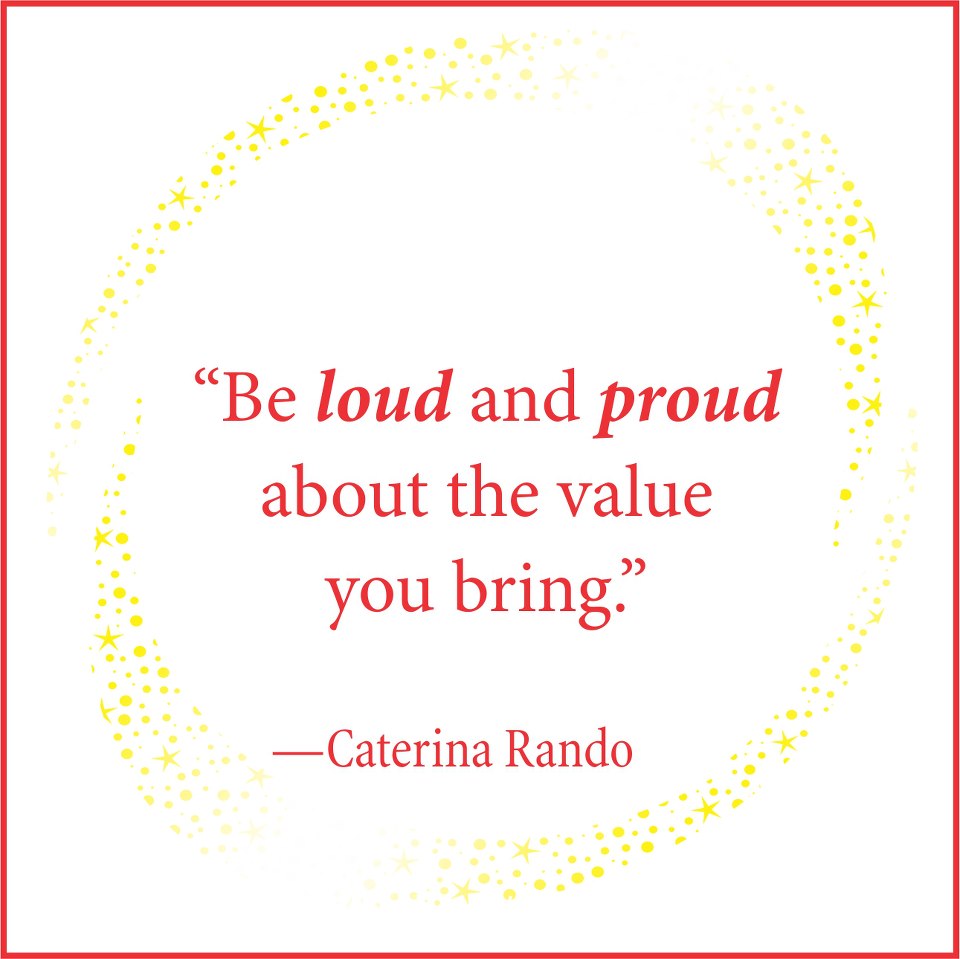
LoudAndProudThere are two very different and distinct groups of people: the Loud and Proud and the Keep it Quiet.

The Loud and Proud business go out of their way to meet people, share their expertise, speak, write and let people know what they do and the value they bring. They are friendly, always wear a smile, always look good because they are dressed for an insta-connection, a chance meeting or an unplanned conversation with a new potential donor at any moment.

Then there are the Keep it Quiets. They do not go out of their way to meet new people or to let people know about the value they bring. When asked what they do they do not respond succinctly with clarity and confidence.

Do you say you want to accomplish more in private and yet you are quiet about the value you bring to your potential clients/donors in public online and off?

Whatever your answer here are a few more things you can do to proclaim to the world that you are loud and proud and you have value to bring.

  1.  Your phone message enthusiastically talks about your business/mission and the value you bring.
  2.  Your email signature includes your phone number, email and website and any special events or promotions you are currently offering.
  3.  You are loud and proud about the value you bring on your Facebook and LinkedIn. You post your successes and those of your clients.
  4.  *You host your own events to connect with your clients, potential clients and community to provide them some value and connect with them live and in person.
  5.  You host a free webinar or teleclass regularly to share your value with new people and grow your list.
  6.  You write regularly of online or offline publications, you proliferate your articles and keep up with your blog. More importantly you get the word out about it.

Now that you have gotten some ideas ask yourself what you are going to do to be more loud and proud. The louder and prouder you are about the value you bring the more your business will thrive!

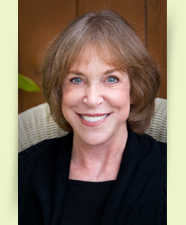
Caterina Rando’s life work is showing entrepreneurs how to be loud and proud about who they are and the value they bring. She shares ways to build a thriving business using public speaking, getting published and building your expert platform.

Download your free audio on How to Be A Sought After Speaker at http://www.soughtafterspeaker.com. Caterina can be reached at Cat@caterinarando.com or by phone at 415 668-4535.

Cause Marketing: Grocery Shopping for Good

Women's FoundationHow do you say thank you? For this column we look to the Women’s Foundation for a Greater Memphis for an example. They thank their supporters with a Kroger gift card, preloaded with five dollars. Shoppers take the card Kroger, add their grocery money to the card, do their shopping, pay for their groceries with the card, and then Kroger sends the Women’s Foundation five percent of what supporters spend using the gift card. Five percent. That’s a lot. And, supporters can reload their card over and over again, using it to buy groceries, gas and pharmacy items throughout the year. With every dollar spent five cents goes to the Women’s Foundation. It adds up quickly.

KrogerThis is a great example of what we refer to as a mutually beneficial cause marketing program. It builds loyalty amongst supporters of the Women’s Foundation who are also Kroger’s shoppers. It creates a revenue stream for the Women’s Foundation. It provides Kroger with an opportunity to provide funding to an organization their shoppers support. Everybody wins. Grocery shopping suddenly has a new meaning and a new impact

Wanting a “behind the scenes” look we asked Tracy Burgess, Development Manager at the Women’s Foundation how the program is working. She let us know they are promoting the cards with the slogan Buy Now Give Now. “We wanted to focus on giving something to the people of Memphis that will allow each to be a philanthropist. In this economy the gift card gives everyone a way to give even though their own budgets may be tight. It expands the definition of what it means to be a philanthropist.”

Burgess also mentioned that staff are recording the names and email addresses of people they give a gift card to so they can be sure to follow up and let participants know how their use of the card is impacting the Foundation’s work. You know we like to hear that – at the end of the day it is all about stewardship. Saying “thank you” over and over again.

Think about your organization and the people it touches. Think about businesses with shared values. Think creatively about how each can benefit the other and the community. Write up your ideas. Talk with the leadership of your proposed cause marketing partner and see what you can create together that generates benefits for your community. When done right cause marketing programs can build customer loyalty for a business, a revenue stream for a non-profit, and a new way for current – or new donors – to provide financial support during challenging times.

© Copyright Saad & Shaw.  Mel and Pearl Shaw are the owners of Saad & Shaw. They help non-profit organizations and institutions rethink revenue sources. They are the authors of How to Solicit a Gift: Turning Prospects into Donors. Visit them at www.saadandshaw.com or call (901) 522-8727

Ruby Bright honored as leader in women’s funding movement

Ruby Bright

Ruby Bright

When women achieve economic security, they spread their success to their children, community and country.

When women help other women, everyone benefits.

These truths have only recently gained the international attention of economists and philanthropists, but members of the women’s funding movement have promoted them for many years.

One of these pioneers, Ruby Bright, was recently honored for her efforts to improve the lives of women and their children, both in the Memphis community and across the globe.

Bright received the Changing the Face of Philanthropy Award from the Women’s Funding Network on April 8 during the group’s annual conference in Brooklyn, N.Y. The award is presented annually to individuals, funds and foundations that have demonstrated a commitment to gender equity, diversity and social justice through philanthropy.

Bright has made “profound and influential contributions” to the women’s funding movement and “has been instrumental in bringing change to the Greater Memphis area and beyond,” wrote Ana Oliveira and Christine Grumm, board chair and president/CEO of the Women’s Funding Network, which represents more than 160 women’s funds across six continents.

As the executive director and chief administrative officer of the Women’s Foundation for a Greater Memphis (WFGM), Bright has increased grant distribution by more than 300 percent over the last decade. Since 1995, the WFGM has awarded $5 million to 330 programs and 120 grantee agencies.

Starting in 2004, Bright has led a groundbreaking public-private partnership between the WFGM, the city of Memphis and the Memphis Housing Authority to support mixed-income housing and urban revitalization. Under Bright’s leadership, more than $7 million has been raised for the Memphis HOPE project, targeting 700 former public housing residents. The WFGM is the first women’s fund to lead such a program and now serves as a national model for success.

The WFGM’s mission is to encourage philanthropy, foster leadership among women and enable women and children to reach their full potential. Bright, who has more than 25 years of experience in nonprofit operations management, marketing and fund development, plays a vital role in spreading this mission to a broad audience and demonstrating the power of women helping women.

The core values promoted by Bright and the WFGM have universal applications, far beyond Memphis, or even the United States. “Collectively, economically secure women create secure nations and a more stable globe,” explained the Women’s Funding Network.

As an extension of her commitment to women’s empowerment, Bright is involved with numerous national and local civic organizations. From 2008 to 2010, she served as the board chair of the Women’s Funding Network. She is a founding member of the Black Women Donor Action Group and the Women’s Economic Security Campaign.

Bright has been honored by the Memphis Urban League, Girls Inc., Girl Scouts of the Mid-South, Leadership Memphis and many other groups. In 2006, the WFGM was named the MPACT Memphis Foundation of the Year.

Learn more about the Women’s Foundation for a Greater Memphis and the Women’s Funding Network.

Stepping Up In time of Change

Managing Change
When its time for a change at the top…

 What would you do if your executive director unexpectedly left? Who would fill her shoes? Whether an executive transition is planned or unexpected, it is the role of an interim executive director to provide leadership.

Knowing that change is a constant in life, and in leadership, we talked with Chiquita Tuttle to learn more about the role of interim executive directors. Tuttle is an experienced interim executive director, so she knows all about change. She has worked with diverse organizations providing leadership and management during times of transition.

Saad & Shaw: What are some scenarios in which an organization needs to hire an interim executive director?

Chiquita Tuttle: Interim executive directors are usually called into an organization when there is some form of transition taking place. It may be the sudden loss of an executive director, the firing of an executive director, or an anticipated transition.

Saad & Shaw: What are typical key responsibilities of an interim executive director?

Chiquita Tuttle: Overall leadership and management of the organization; working with the management team; maintaining and rebuilding external relationships with funders; maintaining service delivery and client focus; and representing the agency in public forums are all key responsibilities.

Saad & Shaw: What is the role of the Board in working with an interim executive director?

Chiquita Tuttle: The Board has an absolute obligation to work with the interim executive director to assure that their expectations and the scope of work specified in the contract they have made are being met. Open communication and transparency are critical to a successful transition.

Saad & Shaw: What should a Board expect when working with an interim executive director?

Chiquita Tuttle: The Board can expect the interim executive director to be less involved in the daily political aspects of the agency. The interim executive director will be reviewing the operations and management with an external lens and making decisions based on his or her experience. The Board should be supportive of those decisions given the appropriate rationale and background. In some cases the interim executive director will tend to be a bit more assertive if he or she is there to implement a new direction for the agency.

Saad & Shaw:  How is an interim executive director evaluated?

Chiquita Tuttle: An interim executive director should be evaluated on the completion of the scope of work initially discussed and contracted for. In addition, the interim executive director should be evaluated on the relationship and respect developed among the staff as well as external clients such as funders, clients, partnerships, and collaborators.

Saad & Shaw: What have you noticed is the difference between a planned transition in executive leadership vs. a crisis transition? How does this affect the work of an interim executive director?

Chiquita Tuttle: Whether the interim executive director takes the role in a transition process or a crisis situation, the goals are the same. Management and leadership of the agency are primary. Being transparent and communicating with staff is critical. Working with the Board to keep them apprised of goals, objectives and decisions is paramount. Building trust and credibility will ensure a smooth transition in any circumstance. Also, this will determine how long the interim serves. Typically, interim executive director assignments range from 3 months to 18 months.

Saad & Shaw: We have noticed that some interim executive director’s fall into the “caretaker” model and some are brought in as “change agents.” Would you share your experience and perspective on these two different roles for an interim executive director and how a person serving as an interim executive director knows which role she is expected to fulfill?

Chiquita Tuttle: The caretaker role usually occurs when the current executive director has left the organization and the Board is engaged in a search for a permanent director. In this instance, the interim executive director is simply there to “hold down the fort” until that search is completed. That means working with existing staff, making sure the day to day operations are being enacted and clients are being served. Leadership, respect and managing are key elements where the interim executive director must take the lead.

If the interim executive director is hired to be a change agent, he or she will usually be charged with changing specific operations, policies, attitudes, expectations and/or accountability within the organization. This involves the participation and buy-in of the existing management team. In some instances, changes in the composition of the management team may have to be made. This kind of change is called for when systems and policies have not been working. Change agents are required when staff is not meeting goals, expectations and deliverables.

Then the interim becomes the enforcer of a new mind set and has the challenge of engaging staff to understand the rationale behind the change and acceptance of it. The interim executive director will need the assistance of change agents within the organization in making and taking the new direction. This process is often difficult, to say the least, because change is difficult. It can put staff in an uncomfortable situation; people may feel threatened and resist change.

When instituting change, it is always best to communicate the “situation at hand,” provide the rationale for the change and then implement the change. When staff fully understands the ramifications or consequences of not changing, they are oftentimes more accepting of change and will get on board. There will always be some resistance, but sometimes changes must be made.

Saad & Shaw: What are the ideal characteristics of an interim executive director?

Chiquita Tuttle: An ideal interim executive director is a good listener, an innovator, excellent leader, open to ideas, flexible, transparent, accountable, human, has superb relationship and management skills, understands how to deal with conflict, and knows how to build strong teams. They must be a good communicator because they are the messenger of good and bad news.

Most importantly the interim executive director understands that it is the staff that makes the agency’s culture and provides the service; therefore an ideal interim executive director should always acknowledge and thank the staff for their expertise and work.

Saad & Shaw: When hiring an interim executive director should an organization hire an experienced executive director who is currently between positions or should they look for someone experienced in serving as an interim executive director? In other words, how is an experienced interim executive director different from an experienced executive director?

Chiquita Tuttle: An interim executive director has the luxury, if you will, of having to “hit the ground running” in a variety of organizational types. Therefore, their advantage is their flexibility skill set.

An executive director in between jobs also comes to the table with a wealth of long standing experience that becomes valuable to any agency.

Experience in leadership, management and accountability are really what matters. Whether they got it in previous executive director jobs or as an interim executive director matters less.

Saad & Shaw: Have you noticed differences in the requirements of the executive director across organizational types – for example museums, vs. higher education vs. community organizations?

Chiquita Tuttle: Clearly, having expertise in an industry is a strong case, but in the non-profit world, being a generalist is also important. One can learn over time about an industry. It is the management skill set and the knowledge of the fund development process that non-profits look for. All organizations want to be led by someone who understands sustainability, financial viability, good stewardship, strong staffing and, at the end of the day, isproviding for the clients according to their mission statement and vision. Leadership and managerial skill sets are transferable.

Saad & Shaw: Any last thoughts or guidance for our readers?

Chiquita Tuttle: Being an interim executive director is a special niche. It is challenging and difficult at times to gain trust within the agency. We should not be viewed as the “hatchet” person, but should be accepted as vital leadership whose responsibility is to sustain the organization.

It is our responsibility to review current practices, question them and make recommendations for more effective delivery of services. It is always our goal to leave the agency in a healthier and more stable state than when we first arrived.

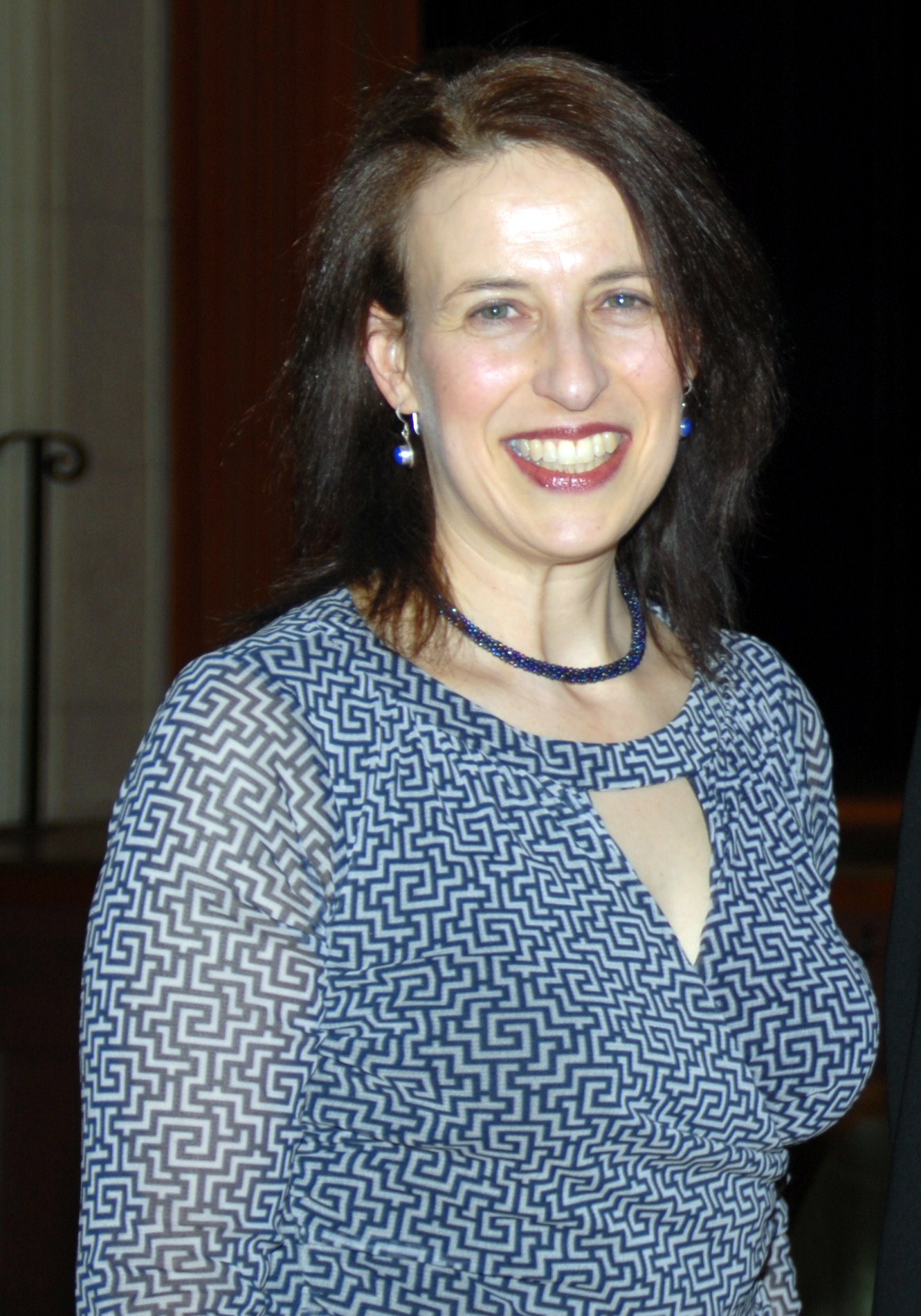
Chiquita Tuttle is a member of the Saad & Shaw team. She serves as the West Coast Director of Fund Development Services.

Social Enterprise – Learn from an Expert!

There is currently a lot of buzz around social enterprise and earned revenue as ways for non-profit organizations to increase their financial resources. Some of these efforts are well-known, such as Good Will which generates 95 percent of its revenue from Good Will stores. Others are lesser known, such as SHOP, a social enterprise of A Miner Miracle in San Francisco, California.

SHOP is a clothing boutique that offers women and men designer fashions at greatly discounted prices. It opened its doors for business in 2003. The clothes are new, current, in season and sold at 50-80% below retail. The revenue from SHOP funds A Miner Miracle, a non-profit that provides professional clothing and image counseling to low-income to women and men seeking employment. Take a peek at their new video now showing on closed circuit television at select hotels in San Francisco. And take a look at how ABC TV covered SHOP in the evening news.

In order to learn more about what it has taken to grow this social enterprise we spoke with founder Kathy Miner.

Saad & Shaw – tell us a little about yourself, why you founded A Miner Miracle, and how SHOP came about?

Kathy Miner: I have a long history in the clothing industry, especially off-price, high-end clothing. Like many people, there came a point in my life where I wanted to combine my skills and passion with doing good. In 1995 I founded A Miner Miracle as a way of helping people who needed to dress for work for but didn’t have the clothes or money to do so. Things went well, and in 2001 I was recognized by Oprah Winfrey’s Angel Network. Then came the 2002 recession and I had to seek out new funding sources. I couldn’t continue to rely on foundation grants. I started hosting special shopping events – these were clothing sales where people could buy beautiful clothes at drastically reduced prices. All the money went to A Miner Miracle. With my background in clothing I went on a buying trip to Los Angeles and found designer label clothing and some financial donations.  I hosted four special clothing events before I finally decided to open a permanent store. I was lucky enough to be given a great location as a donation. That meant I didn’t have to pay rent. I tried many different concepts over a four year period before things really started to click.

In my fourth year I realized that I was going to have to go to New York to buy high end quality clothing and brand names. With this change SHOP became a fundraising vehicle for our agency and our target customer became anyone who likes a discount of 50-80% below retail for brands such as Ann Taylor, Calvin Klein, Michael Kors.

Saad & Shaw: A few questions about details. Is SHOP a part of A Miner Miracle or is it a separate 501c3 or is it a privately held business? And how does SHOP operate? What percentage of A Miner Miracle’s budget comes from SHOP revenue?

Kathy Miner: The name is “A Miner Miracle SHOP where giving is always fashionable.” We operate under one 501(C)3. SHOP operates like any retail store. I have a full staff who are hired with retail clothing experience. I also have an intern retail program to assist with some of the needs of processing and tagging the clothes. We train our interns in all areas of retail where we need help. At this point in time about 80% of the budget is supported by SHOP. Our goal is to have almost all the budget come from our store(s). In times like this, it has allowed us to continue serving over 600, men, women, young adults a year including those who have “aged out” of foster care and veterans who are homeless.

Saad & Shaw: What have been some of your biggest challenges and how have you overcome these?

Kathy Miner: The biggest challenge has been funding for SHOP. We started very slow with clothing events and then built up. We were only open three days a week in the beginning and built up to six days. That took four years and it was not easy by any means. Having a social enterprise support our agency means that really I am running two businesses at the same time. In our case it also meant doing it all with one small staff at the beginning. We have a line of credit and I also invested in the business. I don’t recommend doing that, but desperate times call for desperate measures.

Saad & Shaw: What role does in-kind services and donated merchandize play in SHOP’s success?

Kathy Miner: I have one great label donating all their samples to us. However, the shipping from NY costs over $50,000 alone. I have made relationships with many of the big brand names and they sell to SHOP at really good prices. Remember I sell everything at 50-80% below retail so I have to keep my buying price very low to make a profit. Having donated products is always preferable but for my concept not something that I could depend on. You have no choice when you get donations and many times it is hundreds of the same garment in one color. If you want a high quality store you have to choose – and often times buy – high quality merchandise.

Saad & Shaw: It seems as though you depend upon a great number of people to provide SHOP with in-kind goods and services or greatly reduced prices. How do you keep these businesses and individuals engaged with SHOP?

Kathy Miner: I keep as many people as I can engaged in our non-profit and the success of the business. I have a fashion advisory board, a business sponsor partnership, and I make sure that everyone gets recognition for helping us. It has been harder in this economy because the clothing business has been hit so hard it and many vendors have closed. I send photos, news pieces, and videos to keep them connected. I make sure I visit when I am back east and take San Francisco chocolates, sour dough bread and California wines. I let them know how much I appreciate all they do for us and make my success their success. People want to give. I do not ask anyone to donate except once a year for our big SHOP for Charity event. This means they don’t hide when I call or come to town. It is a win-win situation for all of us.

Saad & Shaw: What guidance would you offer to other organizations who would like to build a social enterprise to support their organization or institution?

Kathy Miner: Do something you know very well and love. If you can find something that ties into your service that is good. Don’t train on the job. Pick a service or product that is needed to a large population. Have a good board and do your due diligence and market research before starting anything.  Get as much donated as possible but consider your social enterprise a business and not a non-profit. Social enterprise is not necessarily the answer to your money problems and could in fact take more resources than you receive. Go slow, test every idea first.

Visit SHOP (and purchase wonderful clothes at a great price and help change the lives of others!)

A Miner Miracle SHOP
441 Sutter St (between Powell and Stockton)
San Francisco, CA 94108
(415) 398-2155

A Miner Miracle/ SHOP

 Be sure to tell them Mel and Pearl sent you! And as always, remember to have a FUNdraising Good Time!

Not Business As Usual – Stepping Outside the Norm


Two things made last month’s Rubicon Programs annual event unique. First, it honored individuals who had participated in their programs. Second, it wasn’t a fundraiser! The 2010 Rubicon Honors was designed as a way to introduce donors and funders to the people who are impacted by the organization’s work. To learn more about what is going on at Rubicon we talked with Jane Fischberg, President & Executive Director.

Saad & Shaw – Organizations typically honor individuals outside of their organization who either exemplify the organization’s values or can speak directly to the organization’s impact. But you did something different. You selected program participants and volunteers. What influenced this decision?

Jane Fischberg – In prior years we hosted Rubicon Honors as a more traditional event. But in 2008 we turned the tables by honoring a man who had participated in our programs. Those who attended really liked hearing from the people we serve. In 2009, with changes in the economy, we decided not to host a fundraising event. Instead our board members hosted a series of small house parties. This year we did something different again and asked our program managers to nominate individuals to be honored at our annual event.

Saad & Shaw – Sounds like you turned the tables again.

Jane –We wanted the people who worked with our program participants and volunteers to be the ones nominating the people we honor. Staff identified five program participants and four volunteers for us to honor. Our development team met with each nominee. We didn’t know if we would honor all who were nominated or a few. As it turns out we honored everyone who was nominated.  And people at the event really enjoyed learning about their diverse life stories.

Saad & Shaw – You did something different yet again by turning your annual fundraiser into a friend-raiser. How and why did you make that decision?

Jane – Since we hadn’t had a fundraiser in 2009 we felt it was important to re-engage our supporters in a meaningful way. We decided that offering our donors, funders and partners the opportunity to share an evening with the people of Rubicon would deepen our relationships. Corporate partners made the event possible by underwriting our costs. Our long-term supporters came out and they brought new people with them. And once again it was the stories that made the difference. Our guests had the opportunity to see how we change lives.

Saad & Shaw – Would you share your mission with our readers?

Jane – The mission of Rubicon Programs is to equip people to move out of poverty and to partner with people with mental illness as they begin their journey of recovery.

Our next post will have more information on Rubicon and their impact.

Learn more about Rubicon Programs Inc. at www.rubiconprograms.org or call (510) 235-1516.

© Mel and Pearl Shaw 2010.

What’s a Board Member To Do?

Having worked with hundreds of board members in all kinds of organizations we really understand the challenges that board members face in their fundraising efforts.

Maricar Boyle

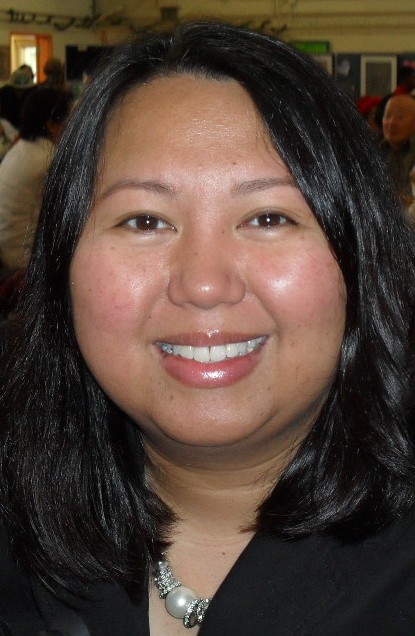
So we sought the guidance of Maricar Boyle, MPA and Assistant Director of Corporate and Private Foundation Relations at Children’s Hospital and Research Center Foundation.

Boyle is a fundraising professional who has also served as a volunteer board member and board chair. She knows about fundraising from both sides and offers her words of wisdom.

Saad & Shaw: Based on your experience as both a board member and as a fundraising professional, what advice can you offer our readers about how to strengthen the partnership between fundraising staff and board members?

Maricar Boyle: It is important to understand that board members and staff are mutually responsible for the success of the organization. One way to strengthen the partnership between staff and board members is to learn about the specific roles that each individual plays within the organization, especially when it comes to the fundraising process.

The fundraising roles that board members fulfill vary from board to board. Roles can include responsibility for identifying potential donors, or serving as a spokesperson for the organization, or being present when it’s time to ask for a gift to the organization. When it comes to this last point – asking for a gift – it is always important to know in advance who will ask for a gift and who will close the meeting.  Highly successful fundraising campaigns have always been borne out of a combined effort between board members and staff (and a good strategic plan!).

Saad & Shaw: What is your experience with board members as fundraisers? What makes a board member willing to fundraise?

Maricar Boyle: Having served on three non-profit boards to date, the organizations I served and continue to serve were very clear about board member expectations from the very beginning. There was no ambiguity, especially if you were expected to personally contribute and help in fundraising. That was important to me. My willingness to raise funds as a volunteer really stemmed out of my belief in the mission of the organization and the desire to see it succeed.

Saad & Shaw: What advice would you give  board members at this particular point in time?

Maricar Boyle: Be an active participant in ensuring that the organization you serve continues to advance its mission. Ask questions. Volunteer to be on committees — especially on the Fund Development Committee. Ask to be trained by staff in the art and beauty of asking for money for a cause you truly believe in — it will be incredibly rewarding.

© Mel and Pearl Shaw 2010.