
Tag Archives: volunteer fundraising

Before You Say I Do

Fundraising: Nonprofit board roles and responsibilities – Part 1.

You’ve been asked to serve on the board of a nonprofit you believe in. It could be a college, a local advocacy organization or a healthcare center. Do you say “yes?” What would you actually be saying “yes” to? What do you need to know to make an informed decision?

Board service is more than a resume-builder or image enhancer. It is work. In these times that work includes responsibility for fundraising as well as oversight of the fundraising process. In order to make an informed decision, request a meeting with the board chair and the executive. Requesting such a meeting communicates the seriousness you attach to board service. The answers you receive will let you know what is expected of you. They will also make visible the organization’s fundraising strengths and challenges – something you need to know as many boards now find themselves having to make hard decisions because of changes in available funding.  Note: if the leadership doesn’t have time to meet with you as a prospective board member, that may signal their accessibility and/or the seriousness they attach to board membership.

Here are some questions you may want to ask. Add or subtract from the following list as appropriate. Use your list when meeting with the board chair and executive.

General questions could include the following. Is the institution working from a strategic plan and a fundraising plan? What are the fundraising needs of the organization and what will it take to raise the required funds? What methods of fundraising are being used and how successful have these been? What percentage of funds is raised using what methods? What percentage of the budget comes from earned income, fees or tuition? What are the opportunities and challenges the institution faces in the area of fundraising? Is there a reserve fund or endowment? What is the skill set of staff responsible for fundraising? What percentage of the CEO’s time is spent on fundraising? What is the track record over the last five years?

Board-related questions could include: What are the fundraising-related roles and responsibilities of board members as individuals and as a collective? Are there requirements for board members to give and fundraise? What percentage of annual funds is raised by the board? Are there orientation sessions to inform and equip board members for fundraising? What data management system is being used and what information is available to support board members and their fundraising? What is the average gift from the board?

What you learn by asking these questions can help you gauge how you can be of greatest support. At the end of the day fundraising is absolutely critical to the survival of every nonprofit organization and institution. Don’t be afraid to ask – the answers will help you provide the best leadership and oversight possible.

© Copyright Saad & Shaw.  Mel and Pearl Shaw are the owners of Saad & Shaw. They help non-profit organizations and institutions rethink revenue sources. They are the authors of How to Solicit a Gift: Turning Prospects into Donors. Visit them at www.saadandshaw.com or call (901) 522-8727.

How to Create a Family Reunion Giving Program

Making a Difference Across the Generations

Part two of a two part series

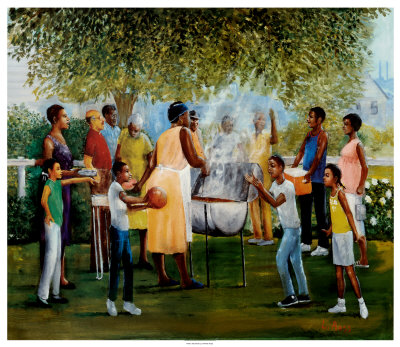
As your family plans its family reunion you can plan for your family to make a positive impact on the community you call “home” or the community where you celebrate your reunion. One way you can do this by choosing a non-profit organization for the family to give to; together such a financial contribution will have a powerful impact. Here are some suggestions for making this go smoothly.

Make sure the idea for including giving as part of the family reunion is put forward by those in leadership within your family. They should communicate the idea to all family members using the methods that work best for your family; that may be in-person conversations, phone calls, conference calls, letters, email or Facebook. The main thing is that family leaders introduce the concept and encourage others to buy into it. Take the time to grow a consensus in your family about the importance of giving as a family value and tradition that should be expressed through your family reunion and beyond.

Once there is agreement within the family, a group or committee should take this idea and bring it to life. Their main responsibility is to identify a few organizations as candidates for family giving, and provide information about each. Where possible they should visit each organization to learn about their work and to establish a personal connection. The committee should also suggest an amount for the family to give as a whole, and an amount for individual members to contribute towards the goal.

For example, your family may want to support a college that helped family members get their start in life. Or you may want to support a hospital that saved the life of a family member. Or maybe the choice will be an advocacy organization that represents ideals the family believes in. Other ideas include an after school program, or senior services program in the community your family calls home, or in the community where you celebrate your reunion.

Take a family vote to decide who to support and how much to give. Vote using the method that works best for your family.

After the voting, the committee should reach out to the selected organization and let them know of your family’s intentions. Make arrangements to present a check during the reunion, and where possible, make arrangements for the family to volunteer to help with a project.

Remember to make the giving fun and a part of your family’s history. Write up information about the organization, why it was selected, and how much was raised. Take pictures!

After the reunion, be sure to stay in touch to learn how the organization is progressing. Share information with family members on a timely basis. Have the organization send updates directly to family members where possible.

Together we make a difference – our families are powerful!

© Copyright Mel and Pearl Shaw.  www.saadandshaw.com or call (901) 522-8727.

It’s a Family Affair – Reunions and Giving

Creating a History of Giving

Summer time is a time for family reunions. If you’ve been to one you know they are priceless; but they can also be expensive. Reunions bring families together across the generations to celebrate history, to take pride in accomplishments, and to pass down family history and traditions. It takes a lot of work to plan a reunion and a lot of attention to detail.

We recently learned of the family reunion planner published by the Louisville Convention & Visitors Bureau. What we found most interesting was the reasoning behind the publication – economic impact. Louisville annually hosts more than 40 family reunions, with an average of 100 people at each reunion and a total annual economic impact of $1.5 million.

That got us thinking – what could the philanthropic impact be if families committed to giving time and money as part of the family reunion experience?

With all the expenses related to a reunion we sometimes forget the power of our giving. Airline tickets, gas, hotels, food, decorations, excursions…. All of these add up. But one “expense” is usually missing…. contributing to a family legacy of good.

If you are responsible for planning your family reunion, you can help ensure the good feelings live on in between reunions. You can encourage a new tradition of giving: each family contributing a certain amount of money to an agreed upon charity or non-profit organization.

Businesses reap the economic impact of family reunions, but the organizations and institutions that have supported our families are often overlooked. Sure we talk about the summer camp, or school that made a difference. The hospital that saved a beloved family member. The church group who made sure we received gifts at Christmas. But what do we do to ensure other families will receive these benefits?

With all the storytelling, family reunions are an ideal time to put our money where our mouth is — and where our hearts are. Now it’s our turn to give back to the communities we come from and the communities where we gather to celebrate our reunions. In our giving we recognize our history and we create a new tradition for younger generations: a history of giving.

Where you give can become part of the reunion as well. Your family may want to set aside time to paint a community center or school, clean up a neighborhood, read to children, or visit a senior center. Whatever your family gives, be sure to give money as well as time or materials. Too many non-profits are stretched thin and just don’t have the funds to meet community needs. Reunion giving helps keep your family legacy alive and well in the organizations you care about.

Up next: Suggestions for Family Reunion Giving.

© Copyright Mel and Pearl Shaw. www.saadandshaw.com

Summertime Blues – A Cure for Volunteers and Donors

Do you serve as a board member for a non-profit organization, a college or university, or perhaps for your church? Do you give of your time as a volunteer? Of your money? If you answered “yes,” this column is for you.

ReflectPreviously, we focused on those things that people who work in fundraising can do to help beat those summertime blues. This column is for the rest of us. While sweating out the summer months you can think about things philanthropic. With a glass of iced tea in hand you can think about how you are involved in making the world a better place. While there is no shortage of ways to make a difference, we challenge you to think about your values and your beliefs. What one or two things are most important to you and your family? Is it helping to end world hunger? Eliminating the spread of AIDS? Increasing women’s participation in sports or governance? Perhaps it is ensuring access to clean drinking water across the globe, or increasing education and decreasing poverty right here at home.

Do you give of your time and money in a way that matches with your priority values and beliefs? If the answer is yes, consider talking or visiting with someone at the organizations or institutions you support to learn more about their upcoming plans. Ask what one thing you can do in the coming year to help make a difference. If you can do that one thing, make a plan to do so. Mark your calendar. Consider inviting a friend to partner with you.

If your giving is not in alignment with your values and beliefs take some time to investigate local, national or international organizations that could be a match for you. Ask your neighbors, friends and work associates for suggestions. Check out the organizations on the web, with a phone call or visit, and at www.guidestar.org, a website that provides information about non-profit organizations.

Summer is also a great time to look at your budget for the upcoming months. Can you given an additional $25 a month? If you have the means, can you give an extra $250? Talk with your employer to find out if there is a “matching gifts” program. Companies use such programs to give to organizations that their employees support, often doubling and sometimes tripling the impact of your giving.

You are at the very heart of our country’s non-profit sector. Your time, money, and commitment make a difference. Invite your friends over to sit on the patio or the porch, and make your plans for making a difference.

© Copyright Mel and Pearl Shaw.
Mel and Pearl Shaw are the owners of Saad & Shaw. They help non-profit organizations and institutions rethink revenue sources. They are the authors of How to Solicit a Gift: Turning Prospects into Donors. Visit them at www.saadandshaw.com or call (901) 522-8727.

Volunteer Fundraising – Engaging Volunteers

Volunteers make the world go roundVolunteers make the world go round. That is at the core of what we believe and what our experience has proven to be true. In part one of this series we talked about the dangers of relying on staff to lead your organization’s fundraising. In part two we focused on board members as the first group of volunteers to engage. Now we discuss engaging volunteers from outside your organization.

Let’s start with preconceptions regarding who is a volunteer. For too many people the word volunteer is limited to people who help send out mailings, or work registration at a special event. For us, volunteers include people who take ownership and responsibility for helping to design and implement fundraising related projects.

For example, volunteers with expertise in marketing, branding and communications can work together to redefine how your institution positions itself in the local and regional market. They would bring the same level of professionalism to your project as they do when working with their clients.

Helping HandsVolunteers facilitate a personal introduction and meeting with a key stakeholder you want to talk with. As appropriate they join you for the meeting and are as well prepared for that meeting as they are for any meeting related to their own business.

As you develop and strengthen relationships in your community, ask people for help. That’s right. Ask for help. For example, when making changes in how you deliver services to children with special needs take time to meet personally with parents of children in your program, or parents who use other services. Share what you are considering and ask for their suggestions regarding how you should best proceed. Likewise, take time to talk with current, former and prospective sponsors and funders. Share your challenges and ask “What would you do if you were in my situation?” You will be amazed to learn the solutions people suggest.

ListenAfter listening to the suggestions of people who can make a difference, come back to each and ask for help with a specific task that ties to their interests, skills, and the needs of your organization.

When it comes to meeting people you believe could make a difference in the life of your organization, ask someone for an introduction.

AskThat’s the secret – Ask and listen.

Here’s part two of that secret – be prepared. Know who you are talking to, what your organization needs to accomplish, and what you want to communicate. All of your conversations should tie back to your mission, vision and strategic plan. Volunteers can make a difference if you ask for their leadership, insights and involvement.  You need to ask and then step back and listen.

© Copyright Mel and Pearl Shaw.
Mel and Pearl Shaw are the owners of Saad & Shaw. They help non-profit organizations and institutions rethink revenue sources. They are the authors of How to Solicit a Gift: Turning Prospects into Donors. Visit them at www.saadandshaw.com or call (901) 522-8727.

Volunteer-led Fundraising – It Starts with the Board

In part one of this series we discussed the difference between staff-led fundraising and volunteer-led fundraising. To generalize, staff-led fundraising is led by staff.  Volunteer-led fundraising is led by volunteers. Now we take on the question “How do you develop a volunteer-led fundraising program?”

Here’s our answer – over time!

It’s not something that happens overnight. It begins with the board and the process of creating an awareness of their fundraising related roles and responsibilities.

If you are a staff person, here’s one way to start engaging your board. Meet individually with each member to share an overview of the organization’s fundraising priorities and how these tie to its mission and vision as well as to daily operations and budgeting. Share where the money comes from. How much comes from foundation grants? From government grants? Get specific. For example, share how many $5,000 gifts the organization hopes to receive this year. How many $50,000 grants? How could changes to state or federal budgets impact expected funding? Let each board member gain an understanding of revenue sources.

During these one-on-one meetings ask each board member how they feel they can contribute. There are many roles a board member can play. They can work on the special events committee, meet with elected representatives, host friend-raisers at their home or office, help redesign the marketing material, create a social media presence, proofread proposals, speak with the leadership of their faith organization to explore the possibility of a gift, write an op-ed piece, secure pro-bono legal services, and of course, write a check and ask others to do the same.

Your job is to ask for suggestions and ideas. And to listen.

After completing these individual meetings update the organization’s formal fundraising plan with information and ideas you have gained. If you don’t have a plan, create one. If you don’t know how to create one, drop us a line and we can send you guidelines. Once your plan is up to date, share the plan with the full board. Let board members talk about what they are planning to do. Let them make their commitments to each other. After the meeting make more adjustments to the plan to reflect discussion of the full board. And then partner with your board chair – or chair of the development committee – to work with board members as they fulfill their commitments.

Once board members begin to get engaged, staff can partner with them to begin the process of engaging volunteers from outside the organization. We’ll cover that in part three.

© Copyright Mel and Pearl Shaw.
Mel and Pearl Shaw are the owners of Saad & Shaw. They help non-profit organizations and institutions rethink revenue sources. They are the authors of How to Solicit a Gift: Turning Prospects into Donors. Visit them at www.saadandshaw.com or call (901) 522-8727.

The dangers of staff-led fundraising

In this column we define and discuss the differences between volunteer-led fundraising and staff-led fundraising. With volunteer-led fundraising board members are actively engaged in cultivating, soliciting and sustaining relationships with individuals who can support your organization with gifts, resources and connections. Current donors and friends take a leadership role in soliciting gifts and promoting your organization.

With volunteer-led fundraising your development staff plays the role of supporting and facilitating the work of board members and other fundraising volunteers. Development staff can accompany volunteers, provide an orientation to the organization’s vision, mission, fundraising priorities and programmatic accomplishments. They can record gifts, manage special events, produce reports, write proposals, facilitate introductions – but they aren’t the people responsible for raising the majority of the organization’s funds.

With staff-led fundraising staff are charged with meeting an annual fundraising goal independent of the engagement and leadership of board members and volunteers. The responsibility for meeting fundraising goals rests on the shoulders of staff who may or may not have the skill set, experience and relationships required to meet the organization’s annual goal. And then there is the issue of time – there are only so many hours in a day and one, two or three staff people cannot accomplish what a larger team of well trained and motivated volunteers can accomplish. The pressures associated with staff-led fundraising often contribute to burnout on the part of development staff. National average tenure for development professionals is low – three-to-four years, the pressures are high, and the demand for these professionals far exceeds the number of experienced and talented individuals available.

One of the major risks associated with staff-led fundraising is the departure of staff. Losing a staff person charged with fundraising can create challenges that are hard to overcome. While the causes of staff-turnover are varied, the result is that information and relationships which have sustained your organization often walk out the door when staff leave. Unless meticulously captured in your donor management system, your organization won’t know about upcoming proposal submission or funder reporting deadlines, the giving preferences of specific donors, and the marketing outcomes specific corporate partners are seeking to achieve. Relationships with your major donors will need to be rebuilt. The time it takes to recruit a new person and prepare them to begin the work of fundraising can set you back months.

When volunteers and board members are engaged with fundraising relationships and information are often shared amongst a larger group of people. Your organization has more “faces” in the community, and the work of cultivating and soliciting can continue during the search for new staff.

Increase your odds for success – invest your time and resources in developing and sustaining a volunteer-led fundraising program.

© Copyright Mel and Pearl Shaw.
Mel and Pearl Shaw are the owners of Saad & Shaw. They help non-profit organizations and institutions rethink revenue sources. They are the authors of How to Solicit a Gift: Turning Prospects into Donors. Visit them at www.saadandshaw.com or call (901) 522-8727.

Salute to Bob Zimmerman!

Bob ZimmermanJoin us in celebrating the life and work of Robert “Bob” Zimmerman.

The end of 2010 brought sad news of the passing of Bob Zimmerman, a nationally known fundraising trainer and consultant who worked in the field of fundraising for over 35 years. A fundraising specialist, author and the President of Zimmerman Lehman, Bob was loved by many who appreciated his expertise, insight, and keen sense of humor.

We always enjoyed Bob’s appearance as a member of the Development Executive Roundtable’s (DER) world-famous “Show Me the Money Players” – a group of fundraising professionals who would entertain fellow professionals at the San Francisco DER Holiday Party with skits based on the trials, tribulations, and misconceptions associated with fundraising. Mel was fortunate enough to be included as one of the “players” one year, and in 2005 we both joined him on a panel for a NetImpact Conference at Stanford University. Regardless the venue, Bob could engage and energize.

Here’s how Leyna Bernstein, pays tribute to Bob. “Bob Zimmerman embodied all the best qualities of our profession. He was enormously generous with his time, was passionate about his work and the importance of our sector, and he cared deeply about helping others. He was a tireless advocate for the board’s role in fundraising, and had a knack for getting even the most reticent volunteers to believe they could raise money. Bob made friends wherever he went, and he has left many, many of us mourning his loss.”

Bob taught workshops for staffs members and boards in the United States and Europe. He taught boards to overcome their fear of fundraising and create successful campaigns. His dry wit, combined with a down-to-earth approach, was accessible to everyone, regardless of his or her level of sophistication in fundraising.

A graduate of Antioch College, Bob earned his M.A. from the University of Michigan. He served on the Board Golden Gate Chapter of the Association of Fundraising Professionals (AFP), and was the Co-chair of the ever-popular “Ask the Experts” panel at AFP’s 2009 and 2010 “Fundraising Day” in San Francisco. He taught on subjects that include major donor solicitation, grantseeking, hiring top-notch executive staff, and overcoming the fear of fundraising.

A well known writer Bob was the author Boards That Love Fundraising: A How-To Guide For Your Board, and Major Donors: The Key To Successful Fundraising, and Board Members Rule: How to Be a Strategic Advocate for Your Nonprofit and was a regular contributor to ZimNotes, a fundraising e-newsletter.

If you didn’t have the opportunity to work with Bob you can certainly learn from him through his many writings. And don’t forget the Zimmerman Lehman website as another source of information.

Bob’s loves included his wife and business partner Ann, son Gabe, Opera, baseball, dogs, cats and poker. He was loved by many and will be missed by many more. Join us in saluting Robert Zimmerman – a husband, father, community leader, and friend.

Busy People Can Help You

“If you want to get something done, ask a busy person.” That’s right, ask a busy person. “Aren’t they too busy?” you might ask. Actually, we have learned that successful busy people manage their time well. They have to. If you ask a busy person for help they will ask what you need accomplished, and by when. If they can, they will commit and deliver. If they can’t, they won’t.

Here are some suggestions for engaging busy people to help your organization:

  1. Clearly define what you want the person to accomplish.
  2. Clearly define project time frame and deadlines.
  3. Consider what the person will need from you in order to accomplish the task. Be prepared to provide that assistance or information.
  4. Communicate the impact that their help will have on your organization or the community.
  5. Communicate a sense of calm urgency.
  6. Thank the person for her involvement.

Call your prospective volunteer and provide her with an overview of what you are seeking to accomplish and how she can help. Keep the conversation short. Send her the details via email. All of the points above should not be longer than 1-2 pages.

For example, if you were asking a museum curator to invite local artists to serve as judges for your youth art program here is a simple version of what you could write up.

Project: Local Artists Serve as Judges for 2011 Youth Exhibition

Goal: Engage four local artists to serve as judges for the Sprint Youth Art Exhibition. Artists should have local name recognition and represent different disciplines.

About the Youth: Most of the children we serve are Hispanic or African American ages 3 –11 from the surrounding neighborhood. They participate in our Youth Studio program on Saturday afternoons and visit a local museum each quarter. Art programs were eliminated from their elementary school two years ago. Our work engages young people with their creativity and provides them with access to basic arts education.

Key Dates: January 15 – artists confirmed; February 1 – artist information submitted (see below); April 1 –opening reception for artists and judges; April 17 – Exhibit and Judging; May 1 – Send out thank you letters with framed collage of winning works of art.

Information required: Photo of artist, 150 word bio, photo of artist’s work

Anticipated time required: 15 hours over a four month period

Be sure to check in at agreed upon times. Let your volunteer know you are there to support her. “Let’s touch base in a few days. If you find there is anything you need, let me know and I will get it for you.”

Finally, be sure to personally thank your volunteer and anyone she engages (in this case, the artists). At the end of the project you want volunteers to feel good about the experience, that they contributed something of value, so that they will want to continue involvement with your organization.

© Mel and Pearl Shaw 2010.

Fundraising Fundamentals

When it comes to raising money for a non-profit organization or institution the emphasis is often “this is how much money we need; who can we get it from?” That may be all well and good, but in most cases our response is “let’s take a moment to see if your fundamentals are in place.” By this we mean taking the time to make sure the important work of education, awareness, and involvement has preceded the launch of your fundraising. These are important because an educated, aware and involved donor is more likely to make – and continue to make – a gift to your organization.

Here’s what we mean.

 Education. This refers to internal and external education. Does everyone within your organization or institution know what you are raising money for and why? Do they understand your strategic plan, what it will take to implement the plan, what it will cost, and what the impact will be? Externally this refers to educating your donors and community about the needs your institution addresses, how your programs or advocacy make an impact, and what will be different as a result of your work.

 Awareness. The process of increasing awareness for your organization or institution builds on – and often coincides with – the work of educating your internal and external constituencies.  Awareness activities draw attention to your organization or institution, and let people know about specific programs, achievements or advocacy campaigns. They can include inviting people to visit your offices, or to tour your campus. If you are committed to making sure young men make choices that keep them out of prison, then awareness may take the form of inviting people to visit your local juvenile detention facility so they can see what happens to young men if they enter the juvenile justice system.

Involvement. Studies have shown that people who are involved with an organization tend to be more consistent donors. That goes for young donors, older donors, large donors, and those giving smaller gifts. A donor’s attachment to your organization is based on experience. The more meaningful that experience is, the better. The days of asking volunteers to mail out newsletters are over. Today involvement can mean “would you help us create content for our monthly e-newsletter” or “would you be willing to be a mentor, giving an afternoon a week to a young brother?”

Fundraising. This is the fourth step in the process we call “fundraising.” Asking for money without having first engaged in education, awareness and involvement makes the ask more challenging. People don’t know you. They don’t know what you do. They don’t know why they should support your organization when they are already supporting another. Many times they don’t “feel” you. When you put in place mechanisms for the above three activities the process of asking for money should be easier.

© Mel and Pearl Shaw 2010.