
 In 2010, we visited the Veterans Home of Yountville in the heart of scenic Napa Valley at the request of the California Veterans Support Foundation. This was our first exposure to a state veterans home and we were impressed. We learned that disabled and elderly California veterans could live at the home and receive the medical, social, and therapeutic services they need in a community that supports and honors veterans. The grounds were breathtaking. The foundation was considering a fundraising campaign for the veterans home. One of their priorities was to fund programs for returning women veterans.
A year later our father, Colonel B. Shaw, was no longer able to live independently. We were referred to the Tennessee State Veterans Home in Humboldt. “The Colonel” spent the last two years of his life supported by a top-notch medical and support team: we couldn’t recommend a better facility or better caregivers.
Earlier this year we met a group of dedicated volunteers who want to ensure that veterans from the Memphis, TN area have access to the services of a veterans home that is close to their family, friends and community. They founded The West Tennessee Veterans Home, Inc., and have set out to secure the money and land required to build a state veterans home to serve the 75,000 local veterans.
We mention these three experiences to encourage you to support the veterans in your family and your community. If your spouse or family member needs specialized medical care talk with your nearest state veterans home. These homes know how to care for veterans with devastating injuries and disabilities. They also support older veterans who need nursing home care. Veterans who are cared for at a state veterans home receive $97.07 per day towards the cost of their care. This benefit is awarded to them for their service and cannot be used at a private nursing home. This means that veterans who need full time, year-round care save $35,000 when cared for at a state veterans home. Learning about the Tennessee State Veterans Home was a god-send for our family: it could be the answer your family is seeking.
If your community is not served by a state veterans home, enlist the support of veterans and community leaders to explore the feasibility of raising funds and securing the land required to build one. The federal government will provide 65% of the building costs when a local community secures 25 acres of land and 35% of the cost to build.
Finally, if your community has a state veterans home, visit your veterans. Talk with those who work at the home to find out if they need additional funds to increase the quality of care provided. If funds are needed, encourage your community to raise the money.
Learn more about state veterans homes and their locations across the country at the National Association of State Veterans Homes.
You can make a difference!
Photo Credit: Lester Public Library
Mel and Pearl Shaw are the authors of “Prerequisites for Fundraising Success” and “The Fundraiser’s Guide to Soliciting Gifts.” They provide fundraising counsel to nonprofits. Visit them at www.saadandshaw.com. Follow them on Twitter: @saadshaw.

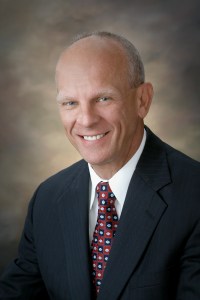 Success in business is not enough. In fact, nonprofit involvement –and giving – can be a greater “buzz” than continued business growth. “After becoming reasonably able to share, a person realizes that the buzz you get from sharing can be greater than the buzz you get from daily life in business. Ten percent growth year-after-year doesn’t always equal the buzz of giving ten percent to the community.” That’s the experience of Mike Bruns, founder of Comtrak Logistics, a national transportation and logistics company headquartered in Memphis.
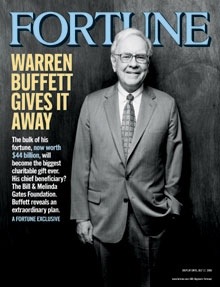


 “Trusting relationships and reflection/rejuvenation are required for building strong networks and collaborations.” That’s the word from Patricia Brandes, executive director of the Barr Foundation. She didn’t say more funding, more collaboration, lower expenses or greater impact. She focuses on the three R’s – relationships, reflection and rejuvenation.


 FUNdraising Good Times