Monthly Archives: March 2013

You might be a grant writer if…

GrantWritingFor those considering new career paths, this blog post will give you food for thought. Here’s what we know: if you can write clear and compelling proposals you will be in-demand.Check out You might be a grant writer if….

The Power of Women Fundraisers

 Dr. Johnnetta Cole, Director of the Smithsonian's National Museum of African Art. Fundraising Role Model.

Dr. Johnnetta Cole, Director of the Smithsonian’s National Museum of African Art. Fundraising Role Model.

Women are role models in so many sectors of our economy, and the nonprofit sector is no exception. In honor of women’s history month we salute women who step up to the challenge of raising money for nonprofit organizations and institutions they believe in. Their leadership and vision impact the lives of individuals, families, communities, regions and our nation as a whole.

We want to encourage more women to become fundraisers, and to grow their fund development capabilities. We want women to seek fundraising positions at the highest levels, and to inspire their peers to join them.

We share with you the characteristics we have observed amongst successful women fundraisers. The following are by no means definitive, or exclusive: they are simply based on our observations over the years.

First and foremost successful women fundraisers are not afraid to ask. They are fearless in asking for money, resources, guidance, help and time. They are confident in who they are as a person, and are not intimidated by people of power, wealth and influence. They are risk takers who are not afraid to fail. At the same time they always have a “plan b” and a “plan c” in case their original plan falters.

Speaking of plans, they are big on planning. They pay attention to detail, and they excel at follow-through. They are well prepared, and don’t “wing it.” They are collaborators who look for opportunities that will advance their donors, board members and volunteers.

They truly like people and seek to bring people together to advance organizations they believe in. When they bring people together they know how to manage them, how to bring out their best talents and abilities. Their passion is real: it’s not something they are paid to project. Rather, their leadership springs from their belief in the mission and vision of the organizations they are involved with.

Talented fundraisers we have known are listeners. They are willing – and able – to listen more than they talk. On the whole, they live a balanced lifestyle and are energized: they exude an energy you can feel. They attend to their physical and emotional health knowing that doing so gives them an edge. They are big on professional development and growth for themselves and the teams they manage. They are not satisfied with current success.

They have no problem sharing the limelight. They are willing to take a back seat and let others enjoy the limelight, for they know that their success lies in donors and volunteers giving and giving generously. They love the challenges of fundraising, and have no issues talking about money. They understand that they are facilitators and not the focal point. Successful fundraisers are valued and in high demand. They orchestrate leadership teams who secure the money and resources that bring the visions of nonprofits to life. We salute you!

Mel and Pearl Shaw are the authors of “Prerequisites for Fundraising Success” and “The Fundraiser’s Guide to Soliciting Gifts.”  They provide fundraising counsel to nonprofits. Visit them at www.saadandshaw.com. Follow them @saadshaw.

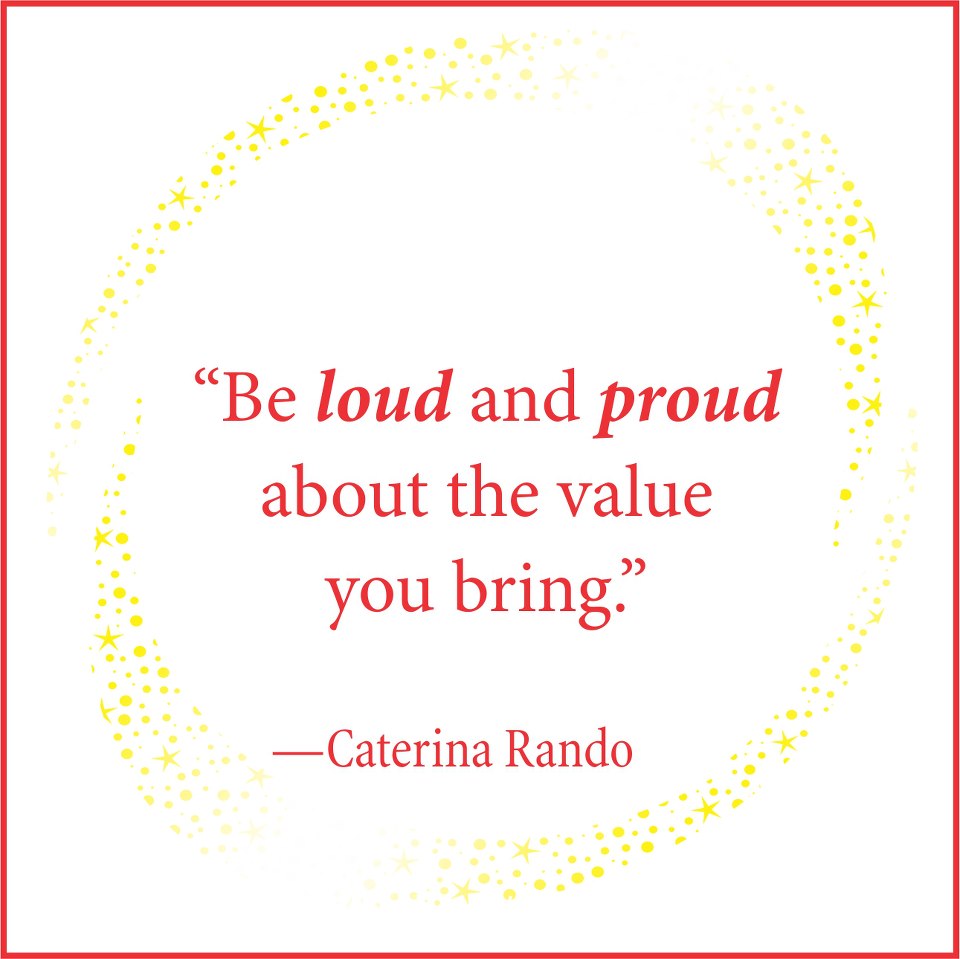
Be Loud and Proud for More Business

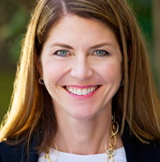
In case you didn’t know, March is Women’s History month. We know women make history each day as fundraisers, philanthropists, businesswomen, volunteers, artists… We make history every day in every realm. To celebrate women business owners we asked Caterina Rando, a talented business coach and entrepreneur for her observations.

LoudAndProudThere are two very different and distinct groups of people: the Loud and Proud and the Keep it Quiet.

The Loud and Proud business go out of their way to meet people, share their expertise, speak, write and let people know what they do and the value they bring. They are friendly, always wear a smile, always look good because they are dressed for an insta-connection, a chance meeting or an unplanned conversation with a new potential donor at any moment.

Then there are the Keep it Quiets. They do not go out of their way to meet new people or to let people know about the value they bring. When asked what they do they do not respond succinctly with clarity and confidence.

Do you say you want to accomplish more in private and yet you are quiet about the value you bring to your potential clients/donors in public online and off?

Whatever your answer here are a few more things you can do to proclaim to the world that you are loud and proud and you have value to bring.

  1.  Your phone message enthusiastically talks about your business/mission and the value you bring.
  2.  Your email signature includes your phone number, email and website and any special events or promotions you are currently offering.
  3.  You are loud and proud about the value you bring on your Facebook and LinkedIn. You post your successes and those of your clients.
  4.  *You host your own events to connect with your clients, potential clients and community to provide them some value and connect with them live and in person.
  5.  You host a free webinar or teleclass regularly to share your value with new people and grow your list.
  6.  You write regularly of online or offline publications, you proliferate your articles and keep up with your blog. More importantly you get the word out about it.

Now that you have gotten some ideas ask yourself what you are going to do to be more loud and proud. The louder and prouder you are about the value you bring the more your business will thrive!

Caterina Rando’s life work is showing entrepreneurs how to be loud and proud about who they are and the value they bring. She shares ways to build a thriving business using public speaking, getting published and building your expert platform.

Download your free audio on How to Be A Sought After Speaker at http://www.soughtafterspeaker.com. Caterina can be reached at Cat@caterinarando.com or by phone at 415 668-4535.

Lean in for nonprofit leadership

“Lean in” for leadership in a nonprofit career

SherylSandbergLeanInWeb Sheryl Sandberg, the chief operating officer of Facebook has a new book out.  “Lean In” has generated a lot of media attention. It’s all about women and leadership in the business world. Bottom line: she encourages women to seek leadership-level positions. Listening to the news stories we asked ourselves, “what about the nonprofit sector?”

What does it take to advance to leadership level positions in the nonprofit sector? Our experience has shown that fundraising experience is an important prerequisite for securing an executive position and most importantly for remaining in the position. Related to this is an understanding of fund development and the ability to manage a fundraising operation. These are not the only prerequisite, but it is an important one that is too often overlooked.

If you are working for a nonprofit and want to progress in your career, make your intentions known and begin to prepare yourself. Our guidance relates to building your fundraising skills and network. Here’s why: securing funds from philanthropic sources is often times the primary revenue stream for a nonprofit. Even those funded through government grants or contracts, or through earned income streams, find that philanthropic funding is what makes the difference between a “just getting by” institution and a thriving one. The willingness to raise funds and build a fundraising team provides an organization with the funding and resources it needs.

Lean in and prepare yourself to be a leader. Develop career goals that include responsibility for fundraising. Learn about the different types of fundraising and how they work together. Invest in your education and training. Participate in online and in-person training sessions that expose you to new areas of fundraising and ones that deepen your current skill set. If your employer won’t invest in your professional development, make the investment yourself. Network with people you meet at conferences or online. Ask questions of those who are more experienced. Ask someone from a similar type of organization in another part of the country for a critique of a fundraising project you are working on. Read journals, books and blogs. Get a mentor.

If you don’t currently work for a major nonprofit institution, consider becoming a fundraising volunteer for a local hospital, university or public television station. These institutions typically have more robust fundraising programs than grassroots or mid-sized organizations and can provide exposure to campaigns that include major gift solicitations, annual gifts, special events, direct mail, planned gifts, underwriting and other fundraising programs. You will find opportunities to grow your skills and your network.

Most importantly make it known that you want to learn more about fundraising. Most people don’t embrace fundraising. That’s a mistake you don’t have to make. Lean in and you will find opportunities to learn and ultimately to lead.

Mel and Pearl Shaw are the authors of “Prerequisites for Fundraising Success” and “The Fundraiser’s Guide to Soliciting Gifts.”  They provide fundraising counsel to nonprofits. Visit them at www.saadandshaw.com. Follow them @saadshaw.

Branding your capital campaign

Jennie Winton

Jennie Winton of Mission Minded

Our regular readers know we always push for a clear, concise and compelling case for support. Jennie Winton – a talented marketing strategist – takes it to the next level advocating that nonprofits need more than a case: capital campaigns need a brand. We agree with her. Take a look at her blog and let us know your thoughts…. http://bit.ly/13RiPsO

Shine a light on your fundraising

Team building – a secret to fundraisings success

Part two of a two-part series

TeamworkIt’s all about leadership and team building. You’ve heard the refrain, but what does it mean? In terms of nonprofit fundraising there can be no greater mandate than leadership and teamwork. Scarce funding for staff positions, stiff competition for the philanthropic dollar, and an abundance of wishful thinking leaves nonprofits at risk of not meeting their fundraising goals. Building and supporting a volunteer-led fundraising team is one way out of the vicious cycle imperiling too many organizations.

Your fundraising team should be comprised of leaders who are committed to ensuring your nonprofit has the money and resources it needs to deliver on its mission. It should include your volunteers, staff, executive leadership and board members. All members should work from a fundraising plan. You can have a simple plan or a complex plan. The most important thing is to work from a plan with agreed upon financial goals, timeframes, and defined roles and responsibilities. For a team to function, everyone has to know their role, and be qualified to fill it. Invite people to join your leadership team based on their understanding of what you are trying to achieve and how well they can help implement your plan.

Your team will set the tone, policy, and direction of your fundraising and monitor its progress. The committee should be led by a fundraising chair or co-chairs. These volunteers should be supported by the institution’s chief development officer and executive director. If you don’t have a fundraising chair, you need one. Take the time to review your fundraising plan, identify who could best help you meet your goals, and then find the right person to talk with your potential chair, inviting him to provide leadership. Be sure to show him your fundraising plan: people are more likely to say yes when they see you have a plan in place to meet your goal.

Other potential members for this committee include board members, current major donors, community and business leaders, key stakeholders, your finance director, executive director, development director and program staff.

Your fundraising chairs should convene and lead your monthly meetings. Team members should report on specific actions they have taken, solicitations, proposal submissions, and new potential donors and funders who have been identified. Staff should provide reports showing progress against goal, number of gifts received, average size of gift, largest gift, and specific information that allows the team to make proactive fundraising management decisions.

Team meetings shine a light on what people are doing and not doing. It holds board members, staff and volunteers accountable to each other. It takes away excuses and when things are going well it creates an excitement and momentum that is contagious.

Raising money is too important to go alone. Build and nurture your team.

Mel and Pearl Shaw are the authors of “Prerequisites for Fundraising Success” and “The Fundraiser’s Guide to Soliciting Gifts.”  They provide fundraising counsel to nonprofits. Visit them at www.saadandshaw.com. Follow them @saadshaw.